
Driveways That Handle Decades of Traffic
Gravel Driveways in Upper St Clair Township for properties with deteriorating surfaces and recurring washout problems
Schneider And Son Excavation removes old gravel driveways and installs new ones with geotextile fabric placed under the gravel layer in Upper St Clair Township. The geotextile layer separates the gravel from the soil below, preventing the two materials from mixing and keeping the gravel from sinking into soft ground. You need this service when your existing gravel drive shows ruts, potholes, or areas where the stone has disappeared into the dirt underneath.
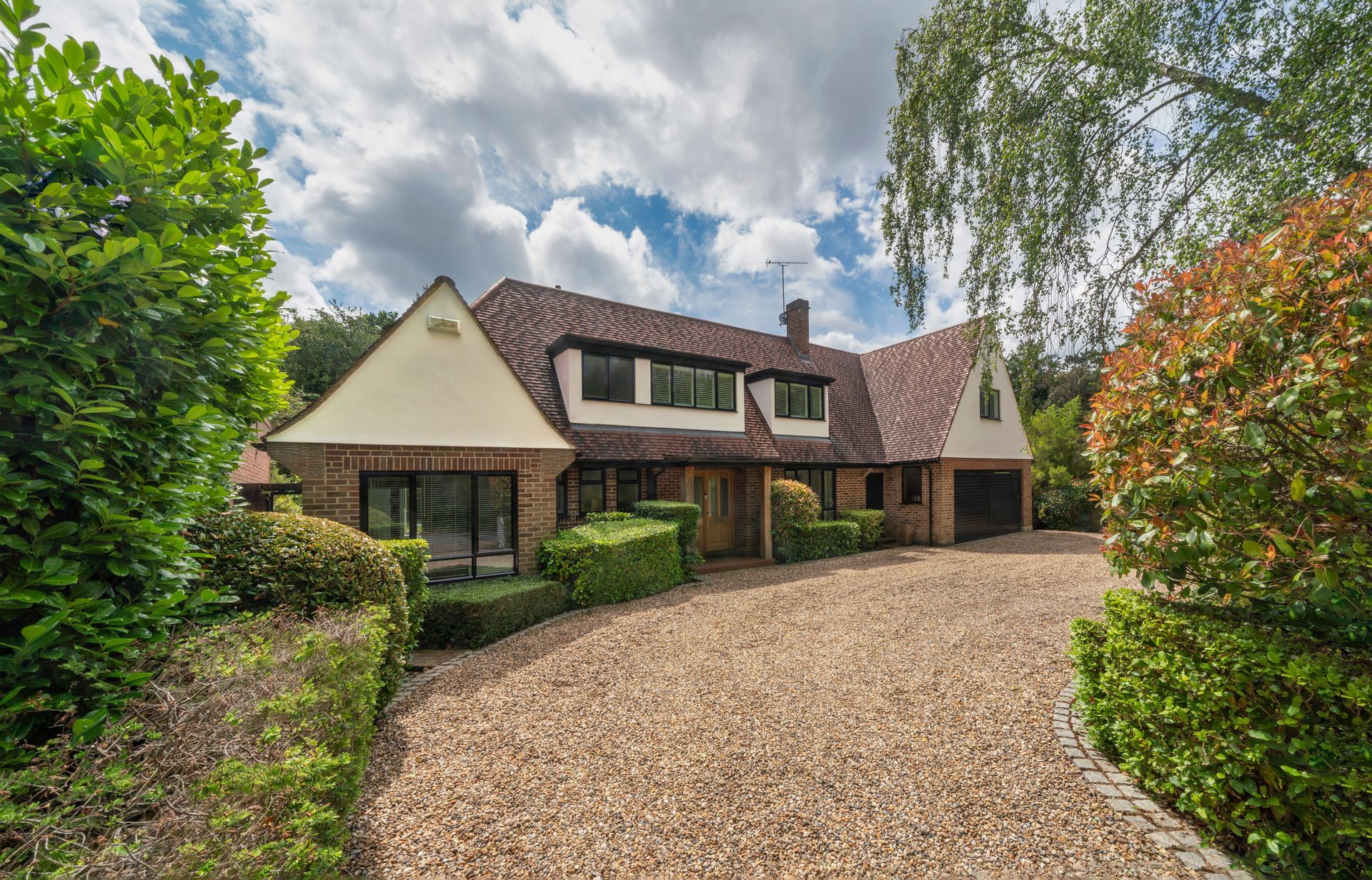
The installation process involves excavating the old material, grading the base to proper drainage slope, laying geotextile fabric across the entire drive area, and spreading fresh gravel over the textile in compacted layers. Without the textile barrier, gravel migrates downward into the soil during freeze-thaw cycles and under vehicle weight, which is why older gravel drives often require constant stone replenishment.
Schedule a property evaluation to assess your current driveway condition and determine the excavation depth required.
What Geotextile Fabric Actually Accomplishes
Geotextile fabric acts as a stabilization membrane that distributes vehicle weight across a wider area and prevents gravel from punching through into the subsoil. The fabric remains permeable to water while blocking the mixing of materials, which means drainage continues downward through the gravel and fabric into the soil below without carrying stone particles with it.
Once the new gravel driveway is installed, you'll notice the surface stays level under regular traffic instead of developing the low spots and ruts that form when gravel and soil blend together. The drive maintains consistent depth across the entire width, and you no longer see exposed dirt patches where stone has sunk away. Schneider And Son Excavation removes all old compromised material before installation, which eliminates soft spots that would telegraph through to the new surface.
The service includes complete removal of existing driveway material, grading for proper water runoff, fabric installation with overlapped seams to prevent soil intrusion, and placement of new gravel in lifts that are compacted before the next layer goes down. The thickness of both the textile and the gravel layers depends on your soil conditions and expected traffic load.
What Geotextile Fabric Actually Accomplishes
Property owners in Upper St Clair Township typically ask several questions before beginning gravel driveway work, particularly regarding the installation process and long-term performance.
What causes old gravel driveways to fail?
The gravel mixes with the underlying soil through a process called pumping, where vehicle weight forces stone downward and soil upward, especially when the ground is saturated. This mixing destroys the structural integrity of the drive and creates the soft spots and ruts you see on the surface.
How does geotextile fabric differ from just adding more gravel?
Geotextile creates a permanent separation barrier that stops the pumping process entirely, while simply adding more gravel on top of compromised base material only delays the same failure pattern. The fabric keeps the materials in their intended layers regardless of traffic or weather conditions.
When should the old driveway material be removed versus covered?
Removal is necessary when the existing base has mixed with soil, shows significant rutting, or contains organic material that will continue decomposing. Covering old material traps problems underneath that eventually show through the new surface.
What type of gravel works best over geotextile?
Crushed angular stone compacts more tightly than rounded gravel and resists displacement under turning vehicles. The stone size depends on whether the drive serves passenger vehicles only or also accommodates heavier trucks and equipment.
How does drainage work with fabric under the gravel?
The geotextile allows water to pass through while blocking soil particles, so drainage continues downward through all layers. Proper grading before fabric installation directs water flow away from structures and prevents pooling on the drive surface.
Schneider And Son Excavation evaluates your existing driveway structure and underlying soil conditions to determine the appropriate excavation depth and gravel specifications. Request an on-site assessment to review your property's specific drainage patterns and access requirements.